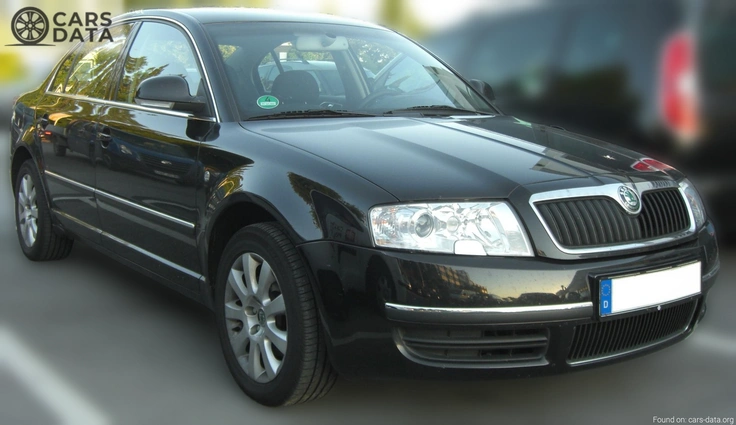
The Acura NSX I Coupe 3.2 i V6 24V (293 Hp) is a high-performance variant from the first generation of this iconic coupe. It features a naturally aspirated 3.2-liter V6 engine with 24 valves and delivers 293 horsepower, significantly boosting its power compared to base models. This car was designed for enthusiasts seeking sporty handling and impressive speed capabilities, capable of reaching up to 280 km/h (173.98 mph). It represents the naturally aspirated performance focus within Acura's NSX lineup.
Specs
-
Rating
Max Speed
280 km/h 173.98 mph
Body & Dimensions
The Acura NSX I Coupe (modification: 3.2 i V6 24V, 293 Hp) is a two-door coupe with a focus on sportiness despite its front-wheel-drive layout. It features a compact length of approximately 174 inches and width of about 71.3 inches, with a wheelbase of 99.6 inches contributing to agile handling. The car boasts a powerful naturally aspirated V6 engine delivering substantial horsepower for performance-oriented driving.
Specs
-
Rating
Body Type
Coupe
Seats
2
Doors
2
Length
4425 mm 174.21 in.
Width
1811 mm 71.3 in.
Height
1175 mm 46.26 in.
Wheelbase
2530 mm 99.61 in.
Front Track
1510 mm 59.45 in.
Rear Track
1530 mm 60.24 in.
Fuel Consumption
The Acura NSX I Coupe (3.2 i V6 24V) from the late '90s/early 2000s is a classic sports coupe known for its advanced engineering and powerful naturally aspirated VTEC engine producing 293 horsepower, offering an engaging driving experience despite being outdated by today's standards. This particular model features a fuel-efficient design with relatively low consumption figures (7.19 km/l extra-urban) compared to some of its contemporaries but still shows high urban fuel usage at around 13.9 l/100km, reflecting the engine tuning prioritized for performance over economy during that era.
Specs
-
Rating
Fuel Type
Petrol (Gasoline)
Fuel Consumption Urban
13.9 l/100 km 16.92 US mpg 20.32 UK mpg 7.19 km/l
Fuel Consumption Extra Urban
9.8 l/100 km 24 US mpg 28.82 UK mpg 10.2 km/l
Engine & Transmission
The Acura NSX I Coupe 3.2 i V6 24V is a high-performance sports car from the late 1980s/early 1990s, featuring a naturally aspirated 3.2L V6 engine (C32B) with 293 horsepower and peak torque of 303 Nm at 5500 RPM. It boasts advanced technology for its time, including VTEC (Variable Valve Timing and Lift Electronic Control), delivering strong power output relative to its displacement. The car is rear-wheel drive with a manual transmission (6-speed) and equipped with sophisticated double-wishbone suspension both front and rear, enhancing handling dynamics. While impressive for its era due to the high-revving engine and sporty characteristics, it represents an older generation of performance cars compared to modern Acura NSX models.
Specs
-
Rating
Powertrain Architecture
Internal Combustion engine
Power
293 Hp @ 7100 rpm.
Power Per Litre
92.2 Hp/l
Torque
303 Nm @ 5500 rpm. 223.48 lb.-ft. @ 5500 rpm.
Engine Layout
Middle, Transverse
Engine Model Code
C32B
Engine Displacement
3179 cm3 193.99 cu. in.
Number Of Cylinders
6
Engine Configuration
V-engine
Cylinder Bore
93 mm 3.66 in.
Piston Stroke
78 mm 3.07 in.
Compression Ratio
10.2:1
Number Of Valves Per Cylinder
4
Fuel Injection System
Multi-port manifold injection
Engine Aspiration
Naturally aspirated engine
Engine Oil Capacity
5 l 5.28 US qt | 4.4 UK qt
Engine Oil Specification
10W-30 / API SJ 5W-30 / API SJ (<-20 C°)
Coolant
16 l 16.91 US qt | 14.08 UK qt
Drivetrain Architecture
The Internal combustion engine (ICE) drives the rear wheels of the vehicle.
Drive Wheel
Rear wheel drive
Number Of Gears And Type Of Gearbox
6 gears, manual transmission
Front Suspension
Double wishbone
Rear Suspension
Double wishbone
Brakes
The Acura NSX I Coupe (3.2 i V6 24V) is a sporty coupe from the first generation of this iconic model, featuring a naturally aspirated 3.2-liter V6 engine with 293 horsepower and advanced features like ventilated disc brakes for both axles. It was equipped with hydraulic power steering, which provides direct feel but lacks the refinement of electric systems found in later models or modern cars. The tire sizes (215/40 R17 and 255/40 R17) suggest a performance-oriented setup, likely offering better grip for handling compared to standard tires.
Specs
-
Rating
Front Brakes
Ventilated discs
Rear Brakes
Ventilated discs
Assisting Systems
ABS (Anti-lock braking system)
Steering Type
Steering rack and pinion
Power Steering
Hydraulic Steering
Tires Size
215/40 R17; 255/40 R17
Weight & Capacity
The Acura NSX I Coupe (3.2 i V6 24V) represents a high-performance sports coupe from its era, featuring a potent naturally aspirated engine delivering 293 horsepower. Despite weighing over 1470 kg, the car boasts an impressive weight-to-power ratio of approximately 199 Hp/tonne and a strong torque-to-weight ratio (around 206 Nm/tonne), suggesting agile handling despite its substantial curb weight. With a fuel tank capacity of 70 liters providing decent range and sufficient trunk space for everyday practicality, it was designed to offer both sporty dynamics and usability.
'i' typically stands for 'integrated', referring to a more advanced version of VTEC (Variable Valve Timing and Lift Electronic Control) technology, often providing better low-to-mid range performance compared to standard SOHC engines.
This specific model is listed as having a wheelbase but not explicitly mentioned as RWD. However, the Acura NSX (the actual supercar) was mid-engine and all-wheel-drive. This 'NSX I Coupe' likely refers to an earlier concept or variant that might be front-wheel-drive, despite sharing a name with the iconic NSX.
This model is distinct from the highly regarded second-generation NSX (1990-2005). The 'NSX I Coupe' likely refers to a concept car or an early, less refined variant that was not produced in large numbers and does not share the advanced engineering, mid-engine layout, or all-wheel-drive system of the later, more successful models.
This model features a 3.2-liter i V6 24V naturally aspirated engine producing 293 horsepower.
Yes, with its high power output and performance-oriented nature, this NSX is capable of reaching a top speed of 280 km/h (173.98 mph).
Compared to earlier or base models which might have used smaller engines, this 3.2 i V6 significantly boosts power and performance potential.
This specific model (NSX I Coupe 3.2 i V6 24V) has a 3.2-liter V6 engine equipped with VTEC technology, producing 293 horsepower.
Yes, while having relatively low conversion figures (7.19 km/l extra-urban), the high urban consumption rate of around 13.9 l/100km is characteristic of performance-oriented Japanese sports cars from that era.
This generation NSX has significantly higher fuel consumption, particularly in city driving compared to most contemporary gasoline vehicles. Modern cars generally have much lower urban/lower UK mpg equivalents due to stricter regulations and improved technology.
It has a naturally aspirated V6 engine (C32B) with a displacement of 3179 cm³ and produces 293 horsepower.
The specific model you're referring to is naturally aspirated. A turbocharged version (NSL) was available in some markets, but this particular specification details the naturally aspirated 'i V6' variant.
While it's an older model and not as technologically advanced as modern cars, enthusiasts appreciate its high-revving engine (peaking at 7100 RPM), manual transmission, and sporty handling. It remains a popular classic performance coupe.
It features a naturally aspirated 3.2-liter inline-six cylinder engine with 24 valves and produces 293 horsepower.
The smaller size (215/40 R17) is likely fitted to the front axle, while the larger rear tires (255/40 R17) are designed for better grip and handling performance. This combination helps optimize the car's dynamics.
While effective for its time, hydraulic power steering is now considered outdated compared to modern electric systems which offer more precise control and less road feel feedback at lower speeds. The NSX I Coupe uses it as a feature but lacks other contemporary technologies like traction or stability control.
It features a naturally aspirated 3.2-liter DOHC i-VTEC V6 engine with 24 valves, producing 293 horsepower.
The ratio (approx. 199 Hp/tonne) was competitive for a performance coupe in the late '90s, indicating good potential despite its considerable kerb weight.
It offers a minimum trunk capacity of 154 liters (approx. 5.4 cubic feet), which was sufficient for practicality but not as spacious as some larger sedans or coupes.