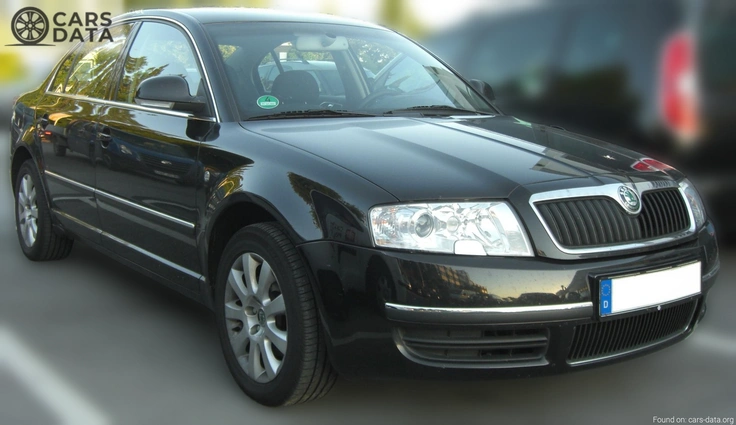
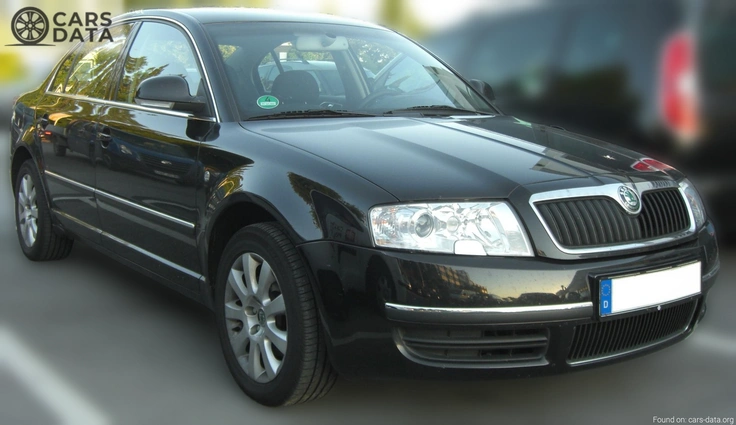
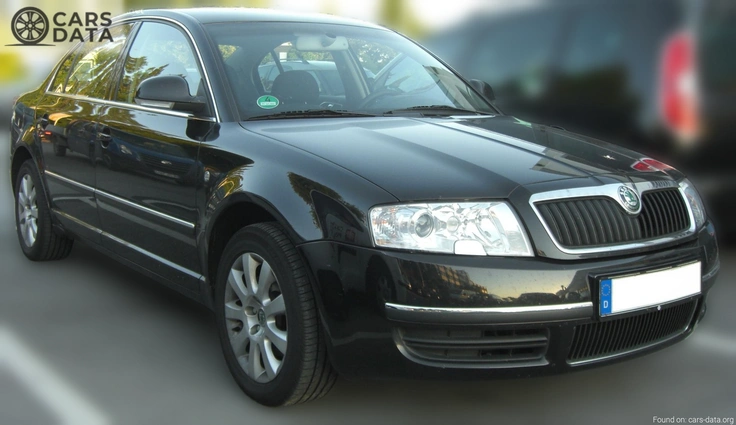
The BMW 1 Series is a compact luxury car with impressive acceleration, reaching 0-100 km/h in just 4.9 seconds. Its top speed is electronically limited to 250 km/h.
Specs
-
Rating
Acceleration 0 100 Kmh
4.9 sec
Acceleration 0 62 Mph
4.9 sec
Max Speed
250 km/h, Electronically limited 155.34 mph
Body & Dimensions
The BMW 1 Series Hatchback is a compact luxury car with 5 seats and 5 doors, offering a versatile and spacious interior.
Specs
-
Rating
Body Type
Hatchback
Seats
5
Doors
5
Fuel Consumption
The BMW 1 Series is a fuel-efficient petrol car that meets the Euro 6e emission standard. It has a combined fuel consumption of 7.6-8.1 liters per 100 kilometers, which translates to 30.95-29.04 US miles per gallon. The car's CO2 emissions range from 173-184 grams per kilometer.
Specs
-
Rating
Fuel Type
Petrol (Gasoline)
Emission Standard
Euro 6e
Combined Fuel Consumption Wltp
7.6-8.1 l/100 km 30.95 - 29.04 US mpg 37.17 - 34.87 UK mpg 13.16 - 12.35 km/l
Co2 Emissions Wltp
173-184 g/km
Engine & Transmission
The BMW 1 Series is a high-performance car with a 2.0-liter, 4-cylinder engine that produces 300 Hp and 400 Nm of torque. It features a twin-power turbo and intercooler, with a power-to-weight ratio of 150.2 Hp/l. The engine is paired with a start & stop system and particulate filter, making it an efficient and environmentally friendly option.
Direct injection and Multi-port manifold injection
Engine Aspiration
Twin-power turbo, Intercooler
Valvetrain
VALVETRONIC, Double VANOS
Engine Oil Capacity
5.25 l 5.55 US qt | 4.62 UK qt
Engine Systems
Start & Stop System Particulate filter
Weight & Capacity
The BMW 1 Series has a weight-to-power ratio of 5.2 kg/Hp, which is relatively efficient, and a weight-to-torque ratio of 3.9 kg/Nm, indicating a good balance between power and torque. This suggests a responsive and agile driving experience.
The BMW 1 Series accelerates from 0-100 km/h in 4.9 seconds.
The top speed of the BMW 1 Series is electronically limited to 250 km/h.
Yes, the BMW 1 Series is a fast car, with impressive acceleration and a top speed of 250 km/h.
Petrol (Gasoline)
Euro 6e
7.6-8.1 liters per 100 kilometers
1998 cm3 or 121.93 cu. in.
Direct injection and Multi-port manifold injection
9.5:1
The BMW 1 Series is available in hatchback and coupe body styles.
Yes, the BMW 1 Series is a compact luxury car that offers premium features and materials.
The BMW 1 Series offers a range of engine options, including petrol and diesel variants, with power outputs ranging from 134hp to 306hp.
The fuel efficiency of the BMW 1 Series varies depending on the trim level and engine option, but it typically ranges from 32-42 mpg in the city and 40-50 mpg on the highway.
The BMW 1 Series comes equipped with a range of safety features, including six airbags, anti-lock brakes, electronic stability control, and a range of advanced driver assistance systems such as lane departure warning and forward collision warning.
Yes, the BMW 1 Series is well-suited for city driving due to its compact size, agile handling, and tight turning radius, making it easy to navigate through tight streets and parking spaces.
The weight-to-power ratio is 5.2 kg/Hp, or 193.5 Hp/tonne.
The weight-to-torque ratio is 3.9 kg/Nm, or 258.1 Nm/tonne.
A lower weight-to-power ratio typically results in a more responsive and agile driving experience, as the car can accelerate and decelerate more quickly.