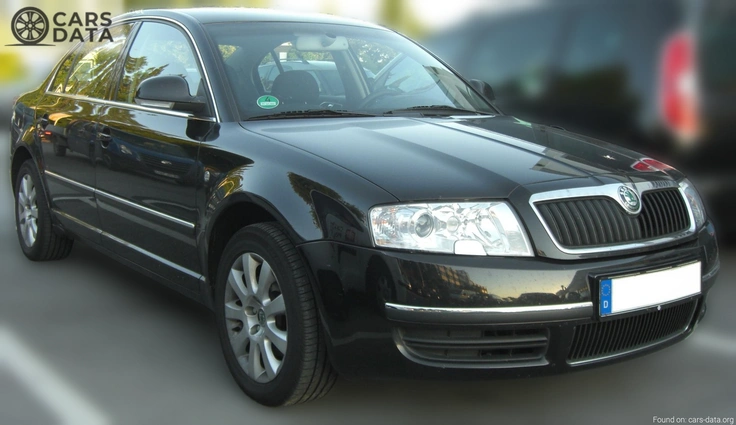
The BMW 5 Series boasts impressive acceleration, reaching 0-100 km/h in 6.1 seconds and 0-62 mph in the same time. Its top speed is electronically limited to 250 km/h (155.34 mph). This suggests a sporty yet practical performance, suitable for both spirited driving and everyday use.
Specs
-
Rating
Acceleration 0 100 Kmh
6.1 sec
Acceleration 0 62 Mph
6.1 sec
Max Speed
250 km/h, Electronically limited 155.34 mph
Body & Dimensions
None
Specs
-
Rating
Body Type
Sedan
Seats
5
Doors
4
Fuel Consumption
The 5 Series, a petrol-powered vehicle, adheres to Euro 4 emission standards. Its fuel consumption is relatively high, with combined NEDC figures of 10.5 liters per 100 kilometers (22.4 US mpg, 26.9 UK mpg, 9.52 km/l). Urban fuel consumption is even higher at 15.8 liters per 100 kilometers, while extra-urban consumption is more economical at 7.4 liters per 100 kilometers. CO2 emissions are 250 grams per kilometer.
Specs
-
Rating
Fuel Consumption Urban Economy Nedc
15.8 l/100 km 14.89 US mpg 17.88 UK mpg 6.33 km/l
Fuel Consumption Extra Urban Economy Nedc
7.4 l/100 km 31.79 US mpg 38.17 UK mpg 13.51 km/l
Fuel Consumption Combined Economy Nedc
10.5 l/100 km 22.4 US mpg 26.9 UK mpg 9.52 km/l
Co2 Emissions Nedc
250 g/km
Fuel Type
Petrol (Gasoline)
Emission Standard
Euro 4
Engine & Transmission
The 5 Series boasts a naturally aspirated, 4.0-liter V8 engine (N62B40A) producing 306 horsepower and 390 Nm of torque. This front-engine, longitudinal layout delivers a robust power output, suitable for a luxury sedan. The engine's specifications, including a 10.5:1 compression ratio and DOHC valvetrain, suggest a focus on performance and efficiency. Multi-port manifold injection and 8 valves per cylinder contribute to the overall engine design.
Specs
-
Rating
Powertrain Architecture
Internal Combustion engine
Power
306 Hp @ 6300 rpm.
Power Per Litre
76.5 Hp/l
Torque
390 Nm @ 3500 rpm. 287.65 lb.-ft. @ 3500 rpm.
Engine Layout
Front, Longitudinal
Engine Model Code
N62B40A
Engine Displacement
4000 cm3 244.09 cu. in.
Number Of Cylinders
8
Engine Configuration
V-engine
Cylinder Bore
87 mm 3.43 in.
Piston Stroke
84.1 mm 3.31 in.
Compression Ratio
10.5:1
Number Of Valves Per Cylinder
4
Fuel Injection System
Multi-port manifold injection
Engine Aspiration
Naturally aspirated engine
Valvetrain
DOHC
Engine Oil Capacity
8 l 8.45 US qt | 7.04 UK qt
Engine Oil Specification
5W-30, 5W-40 / BMW Longlife-01
Weight & Capacity
The BMW 5 Series, based on the provided specs, exhibits a relatively balanced power-to-weight ratio (5.4 kg/Hp, 185.5 Hp/tonne) and torque-to-weight ratio (4.2 kg/Nm, 236.4 Nm/tonne). These figures suggest a car that should offer a decent blend of acceleration and responsiveness, suitable for everyday driving and potentially spirited commutes. The numbers are not exceptional, but they are within the expected range for a mid-size luxury sedan.
The engine size varies depending on the specific model year and trim level. It typically ranges from inline-4 to V8 options.
Fuel economy varies significantly based on the engine and driving conditions. Check the specific model's EPA ratings for more precise information.
BMW 5 Series models are known for a comprehensive suite of safety features, including advanced driver-assistance systems (ADAS). Specific features vary by model year and trim level.
6.1 seconds.
Yes, but it is electronically limited.
The data does not specify the engine type.
The CO2 emissions are 250 grams per kilometer.
The car uses petrol (gasoline).
The car's fuel economy is moderate, with combined consumption of 10.5 liters per 100 kilometers. Urban consumption is higher.
The 5 Series features an internal combustion engine, specifically a naturally aspirated V8.
The engine's displacement is 4000 cm³ (244.09 cu. in.).
BMW recommends 5W-30 or 5W-40 oil meeting the BMW Longlife-01 specification.
Pricing varies significantly based on the specific model year, trim level, and condition. Expect a range from mid-to-high 40,000 USD to well over 80,000 USD.
Like many luxury vehicles, BMW 5 Series models can have higher maintenance costs than some other brands. Potential issues include electrical components, transmission problems, and cooling system issues, but these are not universal.
BMW offers a variety of engine options, including gasoline, diesel, and hybrid powertrains. Specific options depend on the model year and trim level.
Pricing varies significantly based on the specific model year, trim level, and condition. Generally, expect a range from mid-range luxury to high-end luxury.
Like many luxury vehicles, BMW 5 Series models require regular maintenance, including oil changes, tire rotations, and fluid checks. Specific maintenance needs depend on the model year and engine type.
Fuel economy varies greatly depending on the engine and transmission. Consult the specific model's specifications for accurate fuel economy data.
Weight-to-power ratio indicates how much power the engine produces relative to the car's weight. A lower ratio generally means better acceleration and responsiveness.
Weight-to-torque ratio shows how much torque the engine produces relative to the car's weight. A lower ratio often correlates with quicker acceleration from lower speeds.
Yes, these specs are within the typical range for a mid-size luxury sedan. They suggest a car that should perform well in everyday driving situations, but may not be the most exhilarating option for performance-oriented drivers.