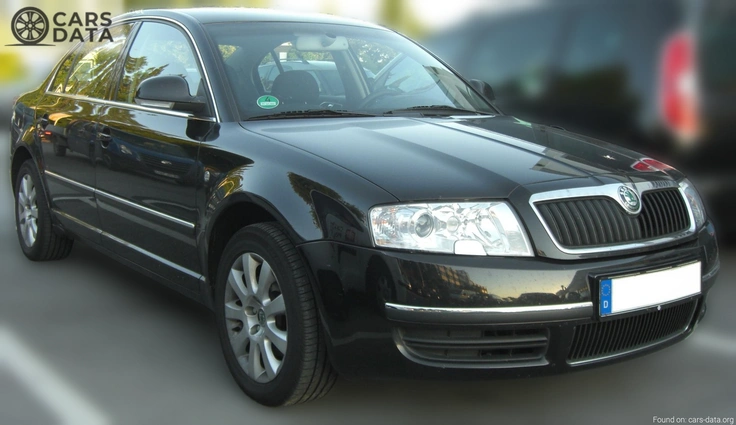
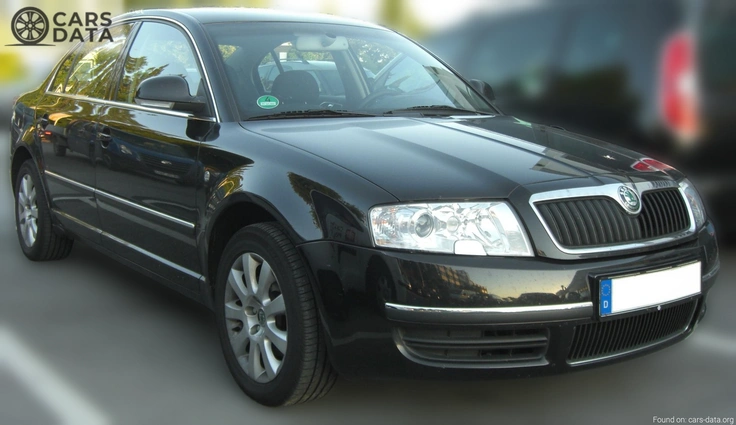
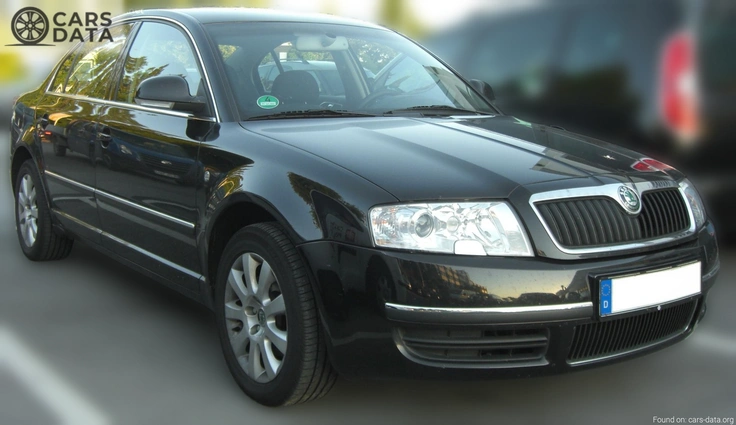
The BMW 5 Series boasts impressive acceleration, reaching 0-100 km/h in 5.2 seconds and 0-62 mph in a similar time. Its top speed is 250 km/h (155.34 mph), and a low drag coefficient of 0.28 suggests good aerodynamic efficiency. Overall, these specs point to a sporty yet refined performance sedan.
Specs
-
Rating
Acceleration 0 100 Kmh
5.2 sec
Acceleration 0 62 Mph
5.2 sec
Max Speed
250 km/h 155.34 mph
Drag Coefficient Cd
0.28
Body & Dimensions
The BMW 5 Series Sedan boasts a substantial size, with a length of 4841 mm, width of 1846 mm, and height of 1468 mm. Its wheelbase of 2888 mm suggests a comfortable interior and good handling. The car's ground clearance of 142 mm indicates a relatively standard ride height for a sedan, suitable for everyday driving. The specifications suggest a well-balanced vehicle, suitable for both comfort and handling.
Specs
-
Rating
Body Type
Sedan
Seats
5
Doors
4
Length
4841 mm 190.59 in.
Width
1846 mm 72.68 in.
Height
1468 mm 57.8 in.
Wheelbase
2888 mm 113.7 in.
Front Track
1558 mm 61.34 in.
Rear Track
1581 mm 62.24 in.
Ride Height Ground Clearance
142 mm 5.59 in.
Fuel Consumption
The BMW 5 Series (likely an older model given the Euro 4 emission standard) is a petrol-powered vehicle. Its fuel consumption is relatively high, particularly in urban driving (16.4 l/100km). Extra-urban fuel efficiency is better (8 l/100km), and the combined cycle fuel consumption is 11.1 l/100km. This suggests a car that might not be the most fuel-efficient option on the market, but likely offers a balance of performance and practicality.
Specs
-
Rating
Fuel Type
Petrol (Gasoline)
Emission Standard
Euro 4
Fuel Consumption Urban
16.4 l/100 km 14.34 US mpg 17.22 UK mpg 6.1 km/l
Fuel Consumption Extra Urban
8 l/100 km 29.4 US mpg 35.31 UK mpg 12.5 km/l
Fuel Consumption Combined
11.1 l/100 km 21.19 US mpg 25.45 UK mpg 9.01 km/l
Engine & Transmission
The 5 Series boasts a naturally aspirated, 4.8-liter V8 engine (N62B48B) producing 367 horsepower and 490 Nm of torque. This rear-wheel-drive vehicle features a 6-speed manual transmission and a front McPherson strut suspension with coil springs. The engine's specifications include a 10.5:1 compression ratio, multi-port manifold injection, and an 8-liter oil capacity. While the specs suggest a powerful and well-engineered engine, the lack of modern features like turbocharging or direct injection might make it less appealing to some drivers compared to more contemporary models.
Specs
-
Rating
Powertrain Architecture
Internal Combustion engine
Power
367 Hp @ 6300 rpm.
Power Per Litre
76.5 Hp/l
Torque
490 Nm @ 3400 rpm. 361.41 lb.-ft. @ 3400 rpm.
Engine Layout
Front, Longitudinal
Engine Model Code
N62B48B
Engine Displacement
4799 cm3 292.85 cu. in.
Number Of Cylinders
8
Engine Configuration
V-engine
Cylinder Bore
93 mm 3.66 in.
Piston Stroke
88.3 mm 3.48 in.
Compression Ratio
10.5:1
Number Of Valves Per Cylinder
4
Fuel Injection System
Multi-port manifold injection
Engine Aspiration
Naturally aspirated engine
Engine Oil Capacity
8 l 8.45 US qt | 7.04 UK qt
Engine Oil Specification
5W-30, 5W-40 / BMW Longlife-01
Drivetrain Architecture
The Internal combustion engine (ICE) drives the rear wheels of the vehicle.
Drive Wheel
Rear wheel drive
Number Of Gears And Type Of Gearbox
6 gears, manual transmission
Front Suspension
Independent, type McPherson with coil spring and anti-roll bar
Rear Suspension
Independent coil spring
Brakes
The 5 Series boasts standard safety features like ABS and ventilated disc brakes for confident stopping power. Hydraulic power steering provides responsive handling, while 17-inch rims and 225/50 R17 tires offer a balance of ride comfort and handling. The steering rack and pinion setup contributes to precise control.
Specs
-
Rating
Front Brakes
Ventilated discs
Rear Brakes
Disc
Assisting Systems
ABS (Anti-lock braking system)
Steering Type
Steering rack and pinion
Power Steering
Hydraulic Steering
Tires Size
225/50 R17
Wheel Rims Size
17
Weight & Capacity
The BMW 5 Series boasts a relatively balanced weight-to-power and weight-to-torque ratio, suggesting a good blend of performance and agility. With a kerb weight of 1660 kg and a maximum load capacity of 560 kg, it offers a decent amount of space for passengers and cargo. The fuel tank capacity is substantial at 70 liters, and the trunk space is 520 liters, providing ample room for luggage and personal items. The maximum weight capacity of 2220 kg indicates a robust build.
The 5 Series accelerates from 0 to 100 km/h in 5.2 seconds and 0 to 62 mph in 5.2 seconds.
The top speed is 250 km/h (155.34 mph).
The drag coefficient is 0.28.
Euro 4
The car has a relatively high fuel consumption of 16.4 liters per 100 kilometers in urban driving.
The combined fuel consumption is 11.1 liters per 100 kilometers.
The 5 Series has a naturally aspirated, 4.8-liter V8 internal combustion engine.
The car has a 6-speed manual transmission.
The engine oil capacity is 8 liters (8.45 US quarts / 7.04 UK quarts).
The car has ventilated disc brakes at the front and disc brakes at the rear, along with ABS (Anti-lock Braking System).
The car uses hydraulic power steering with a steering rack and pinion setup.
The car has 225/50 R17 tires.
Pricing varies significantly based on the specific model year, trim level, and condition. Expect a range from mid-to-high 40,000 USD to well over 80,000 USD.
Like many luxury vehicles, BMW 5 Series models can have higher maintenance costs than some other brands. Potential issues include electrical components, transmission problems, and cooling system issues, but these are not universal.
BMW offers a variety of engine options, including gasoline, diesel, and hybrid powertrains. Specific options depend on the model year and trim level.
The maximum weight the car can carry, including passengers and cargo, is 2220 kg (4894.26 lbs).
The fuel tank capacity is 70 liters (18.49 US gallons / 15.4 UK gallons).
The minimum trunk/boot space is 520 liters (18.36 cubic feet).