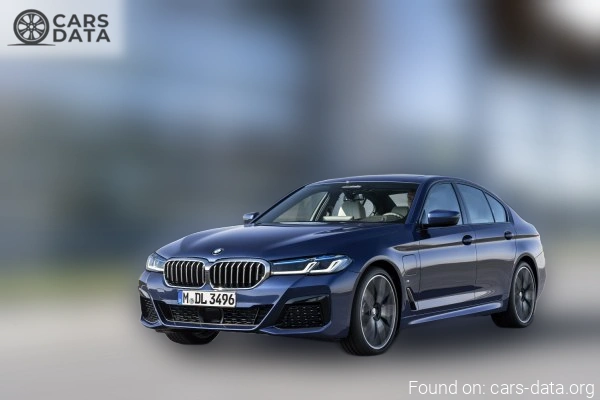
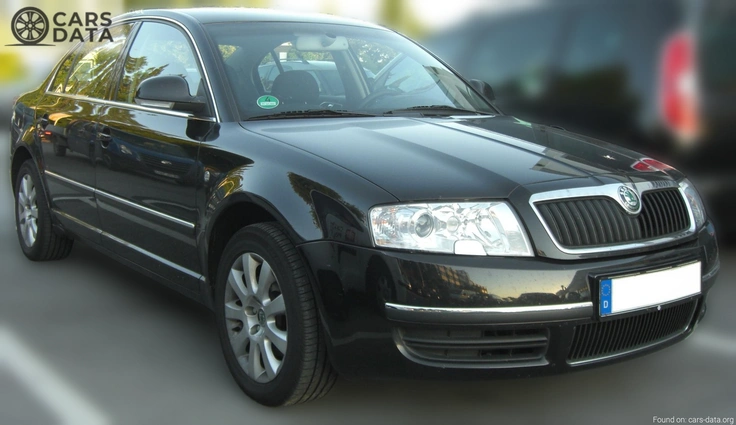
The BMW 5 Series boasts respectable performance figures. Its acceleration from 0 to 100 km/h (or 0 to 62 mph) is achieved in 8.3 seconds, indicating a brisk yet not overly aggressive launch. The top speed of 226 km/h (140.43 mph) is sufficient for comfortable highway driving and occasional spirited runs. Overall, it suggests a well-balanced performance sedan suitable for everyday use and occasional enthusiastic driving.
Specs
-
Rating
Acceleration 0 100 Kmh
8.3 sec
Acceleration 0 62 Mph
8.3 sec
Max Speed
226 km/h 140.43 mph
Body & Dimensions
The BMW 5 Series Sedan is a mid-size luxury vehicle with a spacious interior (5 seats) and a relatively large exterior (nearly 5 meters long). Its dimensions suggest a comfortable ride, with a long wheelbase contributing to passenger legroom. The turning circle is manageable for its size. The slightly longer rear overhang might impact parking in tight spaces, but overall, the dimensions point to a well-balanced sedan.
Specs
-
Rating
Body Type
Sedan
Seats
5
Doors
4
Length
4963 mm 195.39 in.
Width
1868 mm 73.54 in.
Width Including Mirrors
2126 mm 83.7 in.
Height
1497 mm 58.94 in.
Wheelbase
2975 mm 117.13 in.
Front Track
1606 mm 63.23 in.
Rear Track
1631 mm 64.21 in.
Front Overhang
882 mm 34.72 in.
Rear Overhang
1106 mm 43.54 in.
Min Turning Circle
12.4 m 40.68 ft.
Fuel Consumption
The BMW 5 Series petrol model boasts impressive fuel efficiency, with a combined WLTP consumption of 7.8 l/100km (30.16 US mpg) and CO2 emissions of 177 g/km. The NEDC equivalent figures show a range of 6.2-7.1 l/100km (37.94-33.13 US mpg) and 143-162 g/km of CO2, indicating variability depending on driving conditions. Euro 6d emission standards are met. While fuel economy is good for its class, it's not exceptional.
6.2-7.1 l/100 km 37.94 - 33.13 US mpg 45.56 - 39.79 UK mpg 16.13 - 14.08 km/l
Co2 Emissions Nedc Wltp Equivalent
143-162 g/km
Engine & Transmission
This BMW 5 Series boasts a potent 170hp 1.6L TwinPower Turbo inline-4 engine with direct injection, delivering 250 Nm of torque across a broad rev range. The rear-wheel-drive configuration, coupled with an 8-speed Steptronic automatic transmission, ensures a dynamic driving experience. Advanced features like VALVETRONIC and Double-VANOS optimize performance and efficiency, complemented by a sophisticated multi-link rear suspension for superior handling. The inclusion of a particulate filter and start/stop system highlights its commitment to environmental responsibility.
0W-20 / BMW Longlife-17 FE+ 0W-30 / BMW Longlife-12 FE 0W-30, 0W-40, 5W-30, 5W-40 / BMW Longlife-04
Drivetrain Architecture
The Internal combustion engine (ICE) drives the rear wheels of the vehicle.
Drive Wheel
Rear wheel drive
Number Of Gears And Type Of Gearbox
8 gears, automatic transmission Steptronic
Front Suspension
Double wishbone, Transverse stabilizer
Rear Suspension
Independent multi-link spring suspension with stabilizer
Engine Systems
Start & Stop System Particulate filter
Brakes
The BMW 5 Series boasts a robust braking system with ventilated discs on both front and rear wheels, ensuring reliable stopping power. Electric power steering provides precise handling, complemented by a rack and pinion steering type. The vehicle offers a range of tire and wheel rim sizes (17"-20") allowing for customization and potentially different performance characteristics depending on the chosen configuration. The inclusion of ABS further enhances safety.
Front wheel rims: 7.5J x 17; 8J x 18; 8J x 19; 8J x 20 Rear wheel rims: 7.5J x 17; 8J x 18; 9J x 18; 8J x 19; 9J x 19; 9J x 20
Weight & Capacity
The 5 Series boasts impressive power and torque, reflected in its favorable weight-to-power and weight-to-torque ratios. Its substantial kerb weight and generous maximum load capacity suggest a robust build suitable for various needs. The ample fuel tank, sizable trunk space, and high permitted trailer load capacity (both with and without brakes) point towards a vehicle designed for long journeys and towing capabilities. The relatively low maximum roof load should be considered when planning roof-mounted accessories.
FAQs for BMW - 5 Series Sedan (G30 LCI, facelift 2020)
With a long wheelbase and generous width, the 5 Series offers ample passenger space, especially in the rear.
The turning circle is reasonable, making it relatively easy to navigate city streets, although its size should be considered.
The 5 Series is approximately 4963 mm long, 1868 mm wide, and 1497 mm high. These dimensions are typical for a mid-size luxury sedan.
Yes, it's a respectable time for a car in this class, indicating good performance without being excessively sporty.
The top speed is 226 km/h or approximately 140.43 mph.
Yes, its performance characteristics suggest it's well-suited for daily commutes and longer journeys, offering a balance of performance and comfort.
The combined fuel consumption varies between 6.2 and 7.1 l/100km (NEDC equivalent) and 7.8 l/100km (WLTP).
The WLTP CO2 emissions are 177 g/km, while the NEDC equivalent ranges from 143 to 162 g/km.
It meets the Euro 6d emission standard.
Fuel efficiency will depend on driving style and conditions, but the combination of a small displacement engine and advanced technologies should provide relatively good fuel economy for its performance.
TwinPower Turbo refers to BMW's turbocharging system, which enhances power output and torque while maintaining efficiency compared to a naturally aspirated engine of similar displacement.
Regular maintenance, including oil changes using the specified 0W-20/30 oils, will be crucial to maintain optimal performance and longevity. Refer to the owner's manual for a detailed maintenance schedule.
Ventilated discs improve braking performance by dissipating heat more effectively, preventing brake fade, especially during high-speed or prolonged braking.
Different tire and rim sizes offer choices to balance performance, ride comfort, and aesthetics. Larger rims often improve handling but can compromise ride comfort.
Electric power steering is generally more fuel-efficient and allows for more precise control and customization of steering feel compared to hydraulic systems.
Engine options vary by model year and trim level, but generally include a range of inline-6 and V8 engines, often with options for hybrid powertrains.
Fuel economy depends on the engine and driving style, but generally falls within the range expected for a luxury sedan of its size and performance capabilities.
Expect advanced driver-assistance systems, a premium infotainment system with navigation, and a range of luxury amenities depending on the trim level. Specific features vary by model year.
Fuel efficiency isn't specified in the data. This would depend on the specific engine and driving style.
With brakes, it can tow up to 2000kg; without brakes, up to 750kg.
The minimum trunk space is 530 liters, and the maximum load capacity is 670kg.