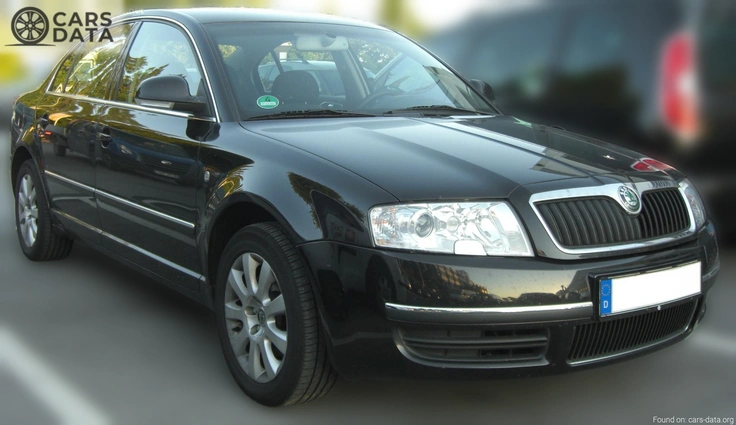
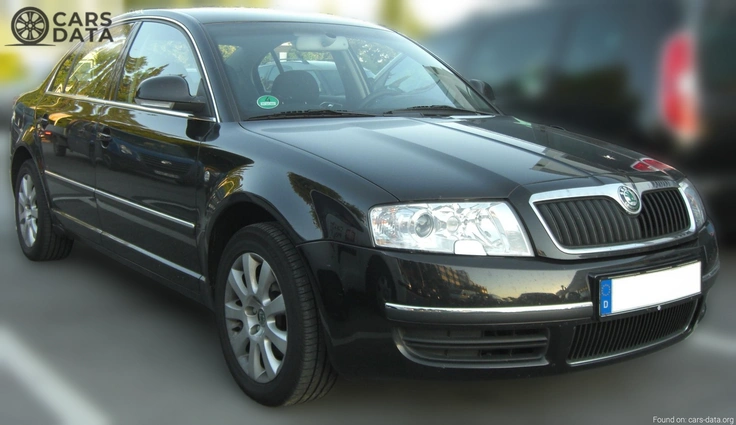
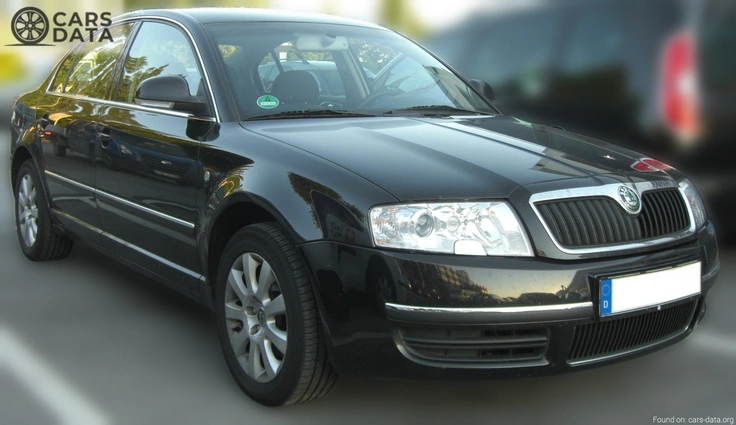
The 5 Series boasts respectable performance with a 0-100 km/h acceleration of 8.9 seconds and a top speed of 218 km/h. Its aerodynamic efficiency is evident in its low drag coefficient of 0.30, contributing to both fuel economy and high-speed stability. Overall, it presents a balanced package of performance and efficiency.
Specs
-
Rating
Acceleration 0 100 Kmh
8.9 sec
Acceleration 0 62 Mph
8.9 sec
Max Speed
218 km/h 135.46 mph
Drag Coefficient Cd
0.30
Body & Dimensions
The BMW 5 Series Station Wagon is a spacious and practical 5-seater with a 5-door body style. Its dimensions (4843mm L x 1846mm W x 1491mm H) and generous wheelbase (2886mm) suggest a comfortable ride, while the relatively tight turning circle (11.4m) makes it maneuverable in urban environments. The car's width, including mirrors, is 2030mm, a consideration for parking and lane changes.
Specs
-
Rating
Body Type
Station wagon (estate)
Seats
5
Doors
5
Length
4843 mm 190.67 in.
Width
1846 mm 72.68 in.
Width Including Mirrors
2030 mm 79.92 in.
Height
1491 mm 58.7 in.
Wheelbase
2886 mm 113.62 in.
Front Track
1558 mm 61.34 in.
Rear Track
1581 mm 62.24 in.
Min Turning Circle
11.4 m 37.4 ft.
Fuel Consumption
The 5 Series Diesel, with Euro 4 emission standards, demonstrates a mixed fuel consumption profile. While achieving a relatively high extra-urban economy of 5.6 liters per 100 kilometers, urban consumption is higher at 9.6 liters per 100 kilometers. The combined cycle fuel consumption is 7.1 liters per 100 kilometers, resulting in CO2 emissions of 189 grams per kilometer. NEDC figures should be considered historical and not reflective of real-world performance.
Specs
-
Rating
Fuel Consumption Urban Economy Nedc
9.6 l/100 km 24.5 US mpg 29.43 UK mpg 10.42 km/l
Fuel Consumption Extra Urban Economy Nedc
5.6 l/100 km 42 US mpg 50.44 UK mpg 17.86 km/l
Fuel Consumption Combined Economy Nedc
7.1 l/100 km 33.13 US mpg 39.79 UK mpg 14.08 km/l
Co2 Emissions Nedc
189 g/km
Fuel Type
Diesel
Emission Standard
Euro 4
Engine & Transmission
The 5 Series, featuring a 4-cylinder, turbocharged, inline diesel engine (M47D20TU2), delivers 163 hp at 4000 rpm and 340 Nm of torque between 2000-2750 rpm. This front-engine, rear-wheel-drive vehicle boasts a 6-speed automatic transmission (Steptronic) and a sophisticated suspension setup with spring struts, multi-link rear suspension, and air suspension. The engine's specifications include a 1995 cm³ displacement, 81.7 hp/l power output, and a 17:1 compression ratio. It's equipped with a diesel common rail fuel injection system and a DOHC valvetrain.
The Internal combustion engine (ICE) drives the rear wheels of the vehicle.
Drive Wheel
Rear wheel drive
Number Of Gears And Type Of Gearbox
6 gears, automatic transmission Steptronic
Front Suspension
Spring Strut, Transverse stabilizer
Rear Suspension
Independent multi-link suspension, Air suspension, Transverse stabilizer
Brakes
The 5 Series model boasts a well-rounded braking system with ventilated disc brakes at both front and rear. Hydraulic power steering and a variety of tire sizes and wheel rim options are included. The car also features ABS (Anti-lock braking system) and a steering rack and pinion system. The specifications suggest a mid-range to upper-range vehicle, likely targeting a comfortable and reliable driving experience.
Specs
-
Rating
Front Brakes
Ventilated discs, 310x24 mm
Rear Brakes
Ventilated discs, 320x20 mm
Assisting Systems
ABS (Anti-lock braking system)
Steering Type
Steering rack and pinion
Power Steering
Hydraulic Steering
Tires Size
225/55 R16; 225/50 R17; 245/45 R17; 245/40 R18
Wheel Rims Size
7J x 16; 7.5J x 17; 8J x 17; 8J x 18
Weight & Capacity
The 5 Series boasts impressive power and torque, reflected in its low weight-to-power (9.9 kg/Hp) and weight-to-torque ratios (4.7 kg/Nm). Its substantial kerb weight (1610 kg) allows for a generous max load (600 kg) and significant towing capacity (up to 1800 kg with brakes). The spacious trunk (500-1650 liters) adds to its practicality, complemented by a sizeable fuel tank (70 liters). However, the relatively high kerb weight might impact fuel efficiency.
It can tow up to 1800kg with brakes and 750kg without brakes.
The maximum roof load is 100kg.
The cargo space is quite large for a station wagon, though the exact capacity would depend on the specific trim level and configuration. It's designed for family use and transporting larger items.
Fuel efficiency varies depending on the engine type and driving style. However, BMW generally offers efficient engines in the 5 Series, so expect reasonable fuel economy.
The 5 Series typically includes a comprehensive suite of safety features, including advanced driver-assistance systems. Specific features vary by model year and trim level; check the manufacturer's specifications for details.
It has a top speed of 218 km/h (135.46 mph).
While not explicitly stated, the 0-62 mph time is 8.9 seconds; the 0-60 mph time would be very similar.
It has a drag coefficient of 0.30, indicating good aerodynamic efficiency.
The 5 Series Diesel has a combined fuel consumption of 7.1 liters per 100 kilometers, with urban consumption at 9.6 liters per 100 kilometers and extra-urban consumption at 5.6 liters per 100 kilometers.
This model meets the Euro 4 emission standard.
No, the fuel consumption figures are NEDC (New European Driving Cycle) values. These are test-based figures and may not reflect real-world driving conditions.
The 5 Series is powered by a 4-cylinder, turbocharged, inline diesel engine.
The car has a 6-speed automatic transmission (Steptronic).
It has a spring strut front suspension and an independent multi-link rear suspension with air suspension and transverse stabilizers.
The car uses a steering rack and pinion system.
The available tire sizes are 225/55 R16; 225/50 R17; 245/45 R17; and 245/40 R18.
The car has ventilated disc brakes at the front (310x24 mm) and rear (320x20 mm).
Engine options vary by model year and trim level, but generally include a range of inline-6 and V8 engines, often with options for hybrid powertrains.
Fuel economy depends on the engine and drivetrain chosen, but generally falls within the range expected for a luxury sedan of its size and performance capabilities.
Expect advanced driver-assistance systems, a premium infotainment system with navigation, and a range of comfort and luxury features, depending on the trim level.
Fuel efficiency isn't directly in the specs, but the high kerb weight suggests it might not be exceptional. Real-world fuel consumption will depend on driving style and conditions.