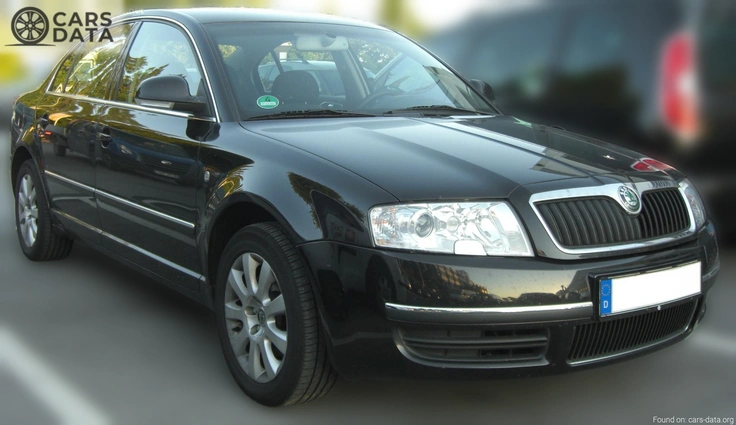
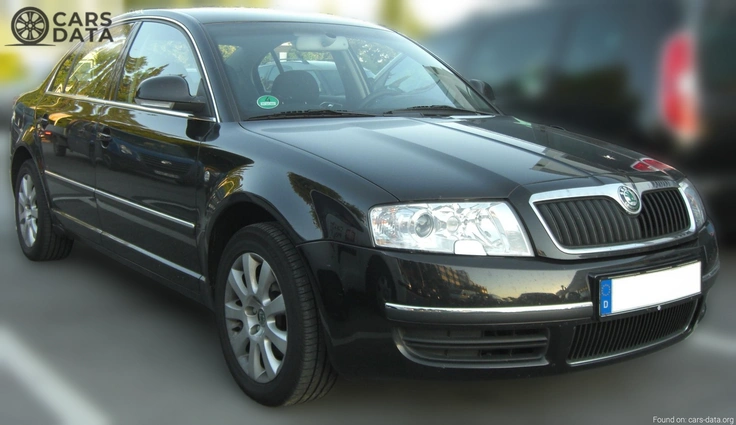
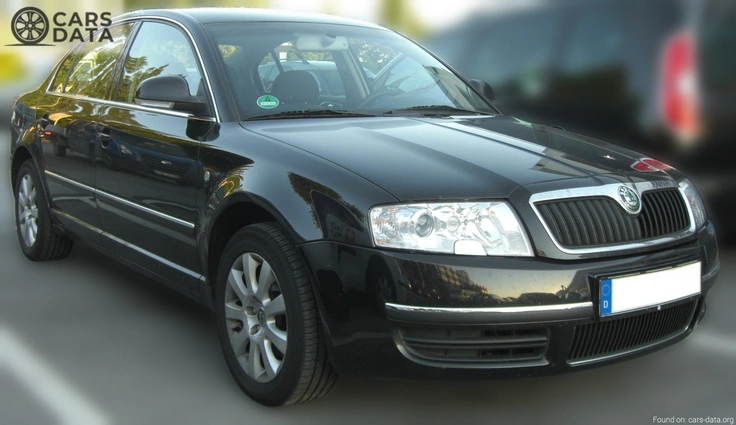
The BMW 5 Series boasts impressive performance figures. Its acceleration from 0 to 100 km/h and 0 to 62 mph is quick at 8.9 seconds, and it has a top speed of 220 km/h (136.7 mph). The low drag coefficient of 0.29 suggests good aerodynamic efficiency, contributing to fuel economy and handling.
Specs
-
Rating
Acceleration 0 100 Kmh
8.9 sec
Acceleration 0 62 Mph
8.9 sec
Max Speed
220 km/h 136.7 mph
Drag Coefficient Cd
0.29
Body & Dimensions
The BMW 5 Series Station Wagon boasts a spacious and practical design with five seats and five doors. Its dimensions (4843mm L x 1846mm W x 1491mm H) provide ample interior room, while the substantial wheelbase (2886mm) suggests a comfortable ride. The relatively tight turning circle (11.4m) enhances maneuverability in urban environments. While ground clearance is moderate (143mm), it's suitable for most road conditions. Overall, it presents a well-balanced blend of practicality and driving dynamics typical of the 5 Series.
Specs
-
Rating
Body Type
Station wagon (estate)
Seats
5
Doors
5
Length
4843 mm 190.67 in.
Width
1846 mm 72.68 in.
Width Including Mirrors
2030 mm 79.92 in.
Height
1491 mm 58.7 in.
Wheelbase
2886 mm 113.62 in.
Front Track
1558 mm 61.34 in.
Rear Track
1581 mm 62.24 in.
Front Overhang
852 mm 33.54 in.
Rear Overhang
1105 mm 43.5 in.
Min Turning Circle
11.4 m 37.4 ft.
Ride Height Ground Clearance
143 mm 5.63 in.
Fuel Consumption
The BMW 5 Series diesel model, adhering to Euro 5 emission standards, demonstrates impressive fuel efficiency. NEDC testing shows combined fuel consumption of 5.8 l/100km (40.55 US mpg), with urban and extra-urban figures of 7.7 l/100km and 4.7 l/100km respectively. CO2 emissions are rated at 154 g/km. This suggests a balance between performance and environmental responsibility, though the Euro 5 standard is now outdated.
Specs
-
Rating
Fuel Consumption Urban Economy Nedc
7.7 l/100 km 30.55 US mpg 36.69 UK mpg 12.99 km/l
Fuel Consumption Extra Urban Economy Nedc
4.7 l/100 km 50.05 US mpg 60.1 UK mpg 21.28 km/l
Fuel Consumption Combined Economy Nedc
5.8 l/100 km 40.55 US mpg 48.7 UK mpg 17.24 km/l
Co2 Emissions Nedc
154 g/km
Fuel Type
Diesel
Emission Standard
Euro 5
Engine & Transmission
The 5 Series, featuring a 1995cc, 4-cylinder, inline, turbocharged diesel engine (N47D20), delivers 163 hp at 4000 rpm and 350 Nm of torque between 1750-2500 rpm. This front-engine, rear-wheel-drive vehicle boasts a 6-speed automatic transmission (Steptronic) and a sophisticated suspension system with spring struts, multi-link rear suspension, and air suspension. The diesel common rail fuel injection system and DOHC valvetrain contribute to its performance and efficiency. The car's specifications suggest a balance of power, handling, and comfort, typical of a mid-size luxury sedan.
The Internal combustion engine (ICE) drives the rear wheels of the vehicle.
Drive Wheel
Rear wheel drive
Number Of Gears And Type Of Gearbox
6 gears, automatic transmission Steptronic
Front Suspension
Spring Strut, Transverse stabilizer
Rear Suspension
Independent multi-link suspension, Air suspension, Transverse stabilizer
Brakes
This 5 Series model boasts a robust braking system with ventilated discs at both front (324x30 mm) and rear (320x20 mm), complemented by an ABS. It utilizes hydraulic power steering with a rack and pinion steering type. The vehicle offers a range of tire and wheel rim sizes, providing options for different performance and aesthetic preferences. Note that the provided specifications lack information on engine, transmission, and other key performance aspects.
Specs
-
Rating
Front Brakes
Ventilated discs, 324x30 mm
Rear Brakes
Ventilated discs, 320x20 mm
Assisting Systems
ABS (Anti-lock braking system)
Steering Type
Steering rack and pinion
Power Steering
Hydraulic Steering
Tires Size
225/55 R16; 225/50 R17; 245/45 R17; 245/40 R18
Wheel Rims Size
7J x 16; 7.5J x 17; 8J x 17; 8J x 18
Weight & Capacity
The 5 Series boasts a relatively balanced weight-to-power ratio (9.9 kg/Hp) and weight-to-torque ratio (4.6 kg/Nm), suggesting a decent acceleration and responsiveness. Its substantial kerb weight (1620 kg) and maximum weight (2220 kg) indicate a robust build, while the maximum load capacity (600 kg) and generous fuel tank (70 liters) cater to both daily use and longer trips. Trunk space offers flexibility, ranging from 500 liters to 1650 liters, and the car is equipped for towing with a permitted trailer load (with brakes) of 1800 kg. The maximum roof load (100 kg) is suitable for carrying luggage or other light items.
FAQs for BMW - 5 Series Touring (E61 LCI, facelift 2007)
The 5 Series wagon offers generous cargo space, significantly more than its sedan counterpart. Exact figures vary depending on seat configuration.
Fuel efficiency depends on the specific engine and drivetrain. Consult the official BMW specifications for your region to find the exact figures.
Safety features vary by trim level and year. Common features include multiple airbags, advanced driver-assistance systems (ADAS), and electronic stability control (ESC). Check the specific model year for details.
The 5 Series accelerates from 0 to 100 km/h in 8.9 seconds and has a top speed of 220 km/h.
The drag coefficient is 0.29, indicating good aerodynamic efficiency.
Yes, the 8.9-second 0-100km/h acceleration and high top speed suggest a good performance car.
The fuel economy is competitive for a vehicle of this class and engine type, but newer models often achieve better figures.
No, Euro 5 is an older emission standard. More stringent standards are now in place.
NEDC (New European Driving Cycle) is an older standardized test procedure for measuring fuel consumption and emissions. More realistic WLTP (Worldwide Harmonized Light Vehicles Test Procedure) figures are now used.
The 5 Series utilizes a 4-cylinder, turbocharged diesel engine (N47D20) with a common rail fuel injection system.
The car is equipped with a 6-speed automatic transmission (Steptronic).
The 5 Series features a spring strut front suspension and an independent multi-link rear suspension with air suspension and transverse stabilizers.
It features a hydraulic power steering system with a rack and pinion steering type.
Ventilated discs are used, measuring 324x30 mm at the front and 320x20 mm at the rear.
Several options are available, including 225/55 R16, 225/50 R17, 245/45 R17, and 245/40 R18 tires with corresponding wheel rim sizes.
The BMW 5 Series comes in various trims, including the 530i, 540i, 550i, and M5, each with varying engine options, features, and price points.
Fuel economy for a BMW 5 Series varies significantly based on the engine and driving conditions. Check the EPA ratings for the specific model year and trim.
The price range for a BMW 5 Series is quite broad, depending on the year, trim, mileage, and condition. Prices can range from several tens of thousands to over a hundred thousand dollars.
The maximum weight the car can carry, including passengers and cargo, is 2220 kg.
The car can tow up to 1800 kg with brakes and 750 kg without brakes.
The specifications do not include fuel efficiency data. This information is crucial for a complete assessment.