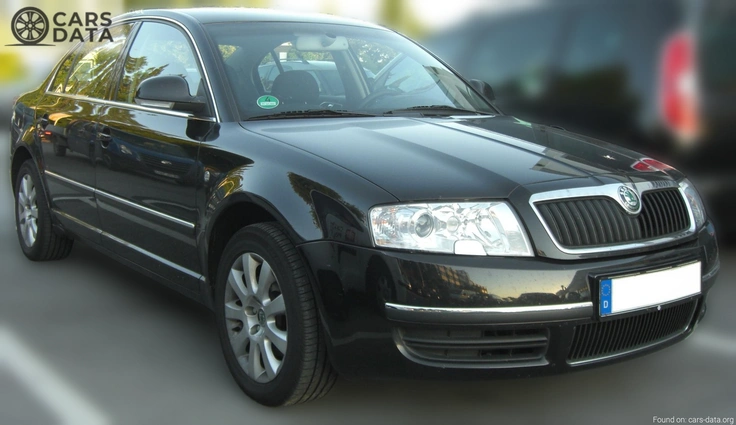
The 6 Series boasts respectable performance with a 0-100 km/h acceleration of 10.4 seconds and a top speed of 207 km/h. Its aerodynamic efficiency is evident in its relatively low drag coefficient of 0.41. While not exceptionally fast, it offers a good balance of performance and likely fuel efficiency for its class.
Specs
-
Rating
Acceleration 0 100 Kmh
10.4 sec
Acceleration 0 62 Mph
10.4 sec
Max Speed
207 km/h 128.62 mph
Drag Coefficient Cd
0.41
Body & Dimensions
The 6 Series Coupe is a compact, sporty coupe with a sleek design. Its dimensions suggest a relatively spacious interior for a two-door coupe, with a decent wheelbase and track width. The relatively short turning circle indicates maneuverability in tight spaces. The overall specifications point to a car that prioritizes a balance of performance and practicality.
Specs
-
Rating
Body Type
Coupe
Seats
4
Doors
2
Length
4755 mm 187.2 in.
Width
1725 mm 67.91 in.
Height
1365 mm 53.74 in.
Wheelbase
2626 mm 103.39 in.
Front Track
1422 mm 55.98 in.
Rear Track
1487 mm 58.54 in.
Min Turning Circle
11.2 m 36.75 ft.
Fuel Consumption
The BMW 6 Series, a petrol-powered vehicle, demonstrates relatively high fuel consumption across urban, extra-urban, and combined driving cycles. While offering a powerful and likely luxurious driving experience, its fuel efficiency is a notable consideration for potential buyers. The urban fuel consumption is significantly higher than the extra-urban, reflecting typical city driving conditions. Overall, it's a performance-oriented vehicle with a trade-off in fuel economy.
Specs
-
Rating
Fuel Type
Petrol (Gasoline)
Fuel Consumption Urban
16.3 l/100 km 14.43 US mpg 17.33 UK mpg 6.13 km/l
Fuel Consumption Extra Urban
9.2 l/100 km 25.57 US mpg 30.7 UK mpg 10.87 km/l
Fuel Consumption Combined
12.2 l/100 km 19.28 US mpg 23.15 UK mpg 8.2 km/l
Engine & Transmission
The 6 Series, featuring a naturally aspirated, inline 6-cylinder internal combustion engine (ICE) with a displacement of 3.2 liters, delivers 197 horsepower at 5500 RPM and 285 Nm of torque at 4300 RPM. This rear-wheel-drive vehicle utilizes a 3-speed automatic transmission and a front McPherson strut suspension with coil springs and anti-roll bar, paired with an independent coil spring rear suspension. The engine's specifications include a 9.3:1 compression ratio, multi-port manifold injection, and an oil capacity of 5.8 liters. It's important to note that this model is likely quite dated, given the 3-speed automatic and older engine oil specifications.
Specs
-
Rating
Powertrain Architecture
Internal Combustion engine
Power
197 Hp @ 5500 rpm.
Power Per Litre
61.4 Hp/l
Torque
285 Nm @ 4300 rpm. 210.21 lb.-ft. @ 4300 rpm.
Engine Layout
Front, Longitudinal
Engine Model Code
M30B32
Engine Displacement
3210 cm3 195.89 cu. in.
Number Of Cylinders
6
Engine Configuration
Inline
Cylinder Bore
89 mm 3.5 in.
Piston Stroke
86 mm 3.39 in.
Compression Ratio
9.3:1
Number Of Valves Per Cylinder
2
Fuel Injection System
Multi-port manifold injection
Engine Aspiration
Naturally aspirated engine
Engine Oil Capacity
5.8 l 6.13 US qt | 5.1 UK qt
Engine Oil Specification
15W-40, 15W-50 / API SF
Drivetrain Architecture
The Internal combustion engine (ICE) drives the rear wheels of the vehicle.
Drive Wheel
Rear wheel drive
Number Of Gears And Type Of Gearbox
3 gears, automatic transmission
Front Suspension
Independent, type McPherson with coil spring and anti-roll bar
Rear Suspension
Independent coil spring
Brakes
This 6 Series model features a classic design with 14-inch wheel rims and 195/70 VR14 tires. The braking system consists of ventilated disc brakes in the front and disc brakes in the rear. Steering utilizes a worm-reduction unit, suggesting a potentially more robust and less responsive steering feel compared to modern rack-and-pinion systems. Overall, the specifications point towards a vehicle from a bygone era, likely prioritizing durability and a heavier driving experience.
Specs
-
Rating
Front Brakes
Ventilated discs
Rear Brakes
Disc
Steering Type
Worm-reduction unit
Tires Size
195/70 VR14
Wheel Rims Size
14
Weight & Capacity
The 6 Series boasts impressive power-to-weight and torque-to-weight ratios (7.6 kg/Hp and 5.2 kg/Nm respectively), suggesting strong acceleration and performance. Its relatively high kerb weight (1490 kg) is balanced by a substantial maximum load capacity (340 kg) and a generous fuel tank (70 liters). The 415-liter trunk provides ample cargo space, further enhanced by a significant permitted trailer load of 1600 kg when equipped with brakes.
The 6 Series Coupe is approximately 4.75 meters (187.2 inches) long.
The car has four seats.
The minimum turning circle is 11.2 meters (36.75 feet).
It has a top speed of 207 km/h (128.62 mph).
The 0-62 mph acceleration is approximately 10.4 seconds.
It has a drag coefficient of 0.41, indicating decent aerodynamic efficiency.
The 6 Series shows a relatively high fuel consumption of 16.3 liters per 100 kilometers in urban areas, which translates to around 14.43 US mpg.
Fuel consumption is considerably better on highways, at 9.2 liters per 100 kilometers (approximately 25.57 US mpg).
Considering the fuel consumption figures, the BMW 6 Series is not particularly fuel-efficient, especially in city driving. Running costs should be factored into the overall ownership expense.
The 6 Series has a naturally aspirated, inline 6-cylinder internal combustion engine.
The car produces 197 horsepower at 5500 RPM and 285 Nm of torque at 4300 RPM.
The 6 Series is equipped with a 3-speed automatic transmission.
It uses a worm-reduction unit steering system.
The tires are 195/70 VR14.
It has ventilated disc brakes in the front and disc brakes in the rear.
The 6 Series has historically offered a range of powerful inline-6 and V8 engines, often with options for rear-wheel drive or all-wheel drive.
Yes, its comfortable interior, smooth ride, and advanced driver-assistance features make it well-suited for long journeys.
Fuel economy varies depending on the engine and drivetrain, but generally, it's expected to be moderate for a car of this class and performance.
Fuel efficiency isn't specified in the data. Real-world fuel consumption will depend on driving style and conditions.
With brakes, it can tow up to 1600 kg (12% gradient).
Passenger capacity isn't provided. Cargo space is 415 liters minimum, plus an additional 340kg of load capacity.