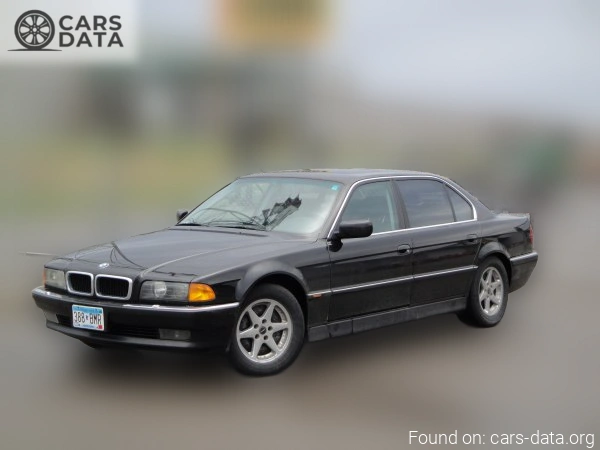
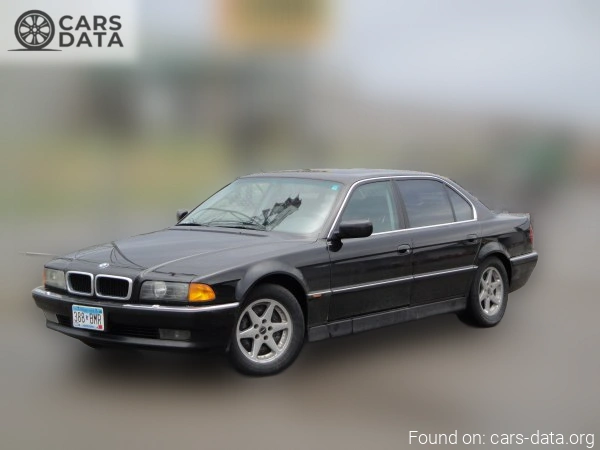
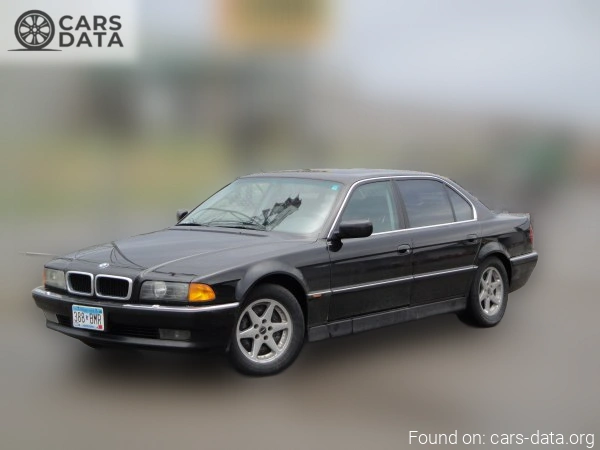
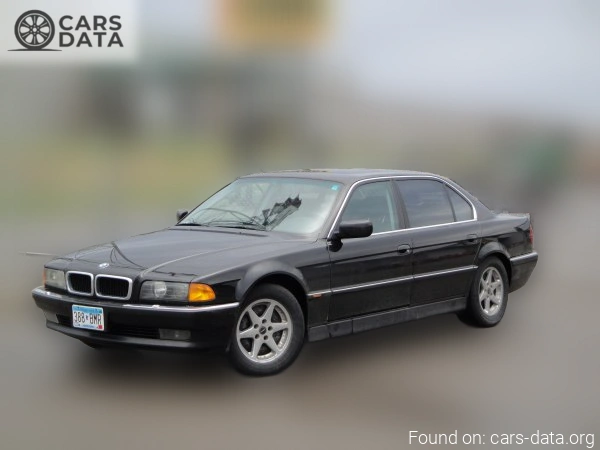
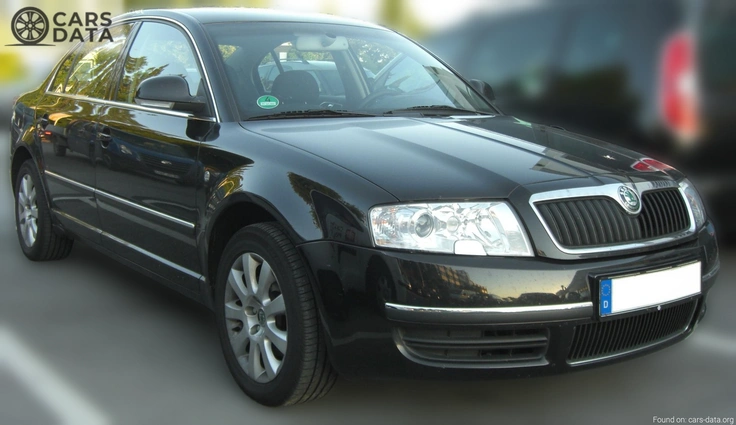
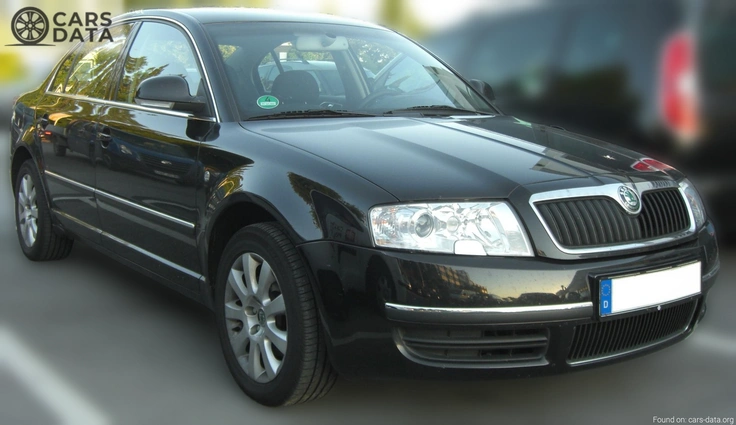
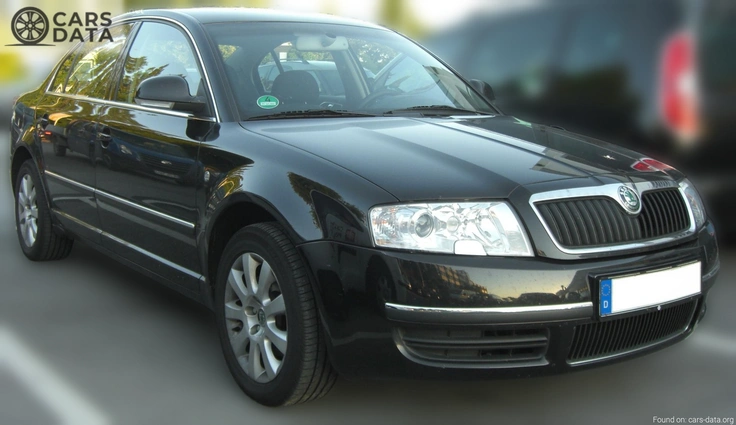
The BMW 7 Series boasts impressive performance figures, with a 0-100 km/h acceleration time of 7.4 seconds and a top speed of 250 km/h. Its aerodynamic design is evident in its low drag coefficient of 0.30, suggesting good fuel efficiency and smooth highway cruising.
Specs
-
Rating
Acceleration 0 100 Kmh
7.4 sec
Acceleration 0 62 Mph
7.4 sec
Max Speed
250 km/h 155.34 mph
Drag Coefficient Cd
0.30
Body & Dimensions
The BMW 7 Series is a full-size luxury sedan offering a spacious and comfortable ride. Its substantial dimensions (nearly 5 meters long with a generous wheelbase) provide ample interior room for five passengers. The relatively tight turning circle suggests good maneuverability despite its size. This model prioritizes luxury and comfort, evident in its large footprint and refined design.
Specs
-
Rating
Body Type
Sedan
Seats
5
Doors
4
Length
4984 mm 196.22 in.
Width
1862 mm 73.31 in.
Height
1435 mm 56.5 in.
Wheelbase
2930 mm 115.35 in.
Front Track
1552 mm 61.1 in.
Rear Track
1568 mm 61.73 in.
Min Turning Circle
11.6 m 38.06 ft.
Fuel Consumption
The BMW 7 Series, a petrol-powered luxury sedan, exhibits moderate fuel consumption. Urban fuel consumption is relatively high at 16.3 liters per 100 kilometers, while extra-urban and combined figures are more reasonable, suggesting a balance between city and highway driving. The figures translate to US and UK mpg equivalents, and km/l for metric users.
Specs
-
Rating
Fuel Type
Petrol (Gasoline)
Fuel Consumption Urban
16.3 l/100 km 14.43 US mpg 17.33 UK mpg 6.13 km/l
Fuel Consumption Extra Urban
8.3 l/100 km 28.34 US mpg 34.03 UK mpg 12.05 km/l
Fuel Consumption Combined
11.5 l/100 km 20.45 US mpg 24.56 UK mpg 8.7 km/l
Engine & Transmission
The 7 Series boasts a naturally aspirated, 8-cylinder, 3.9L V-engine (M60B40) producing 286 horsepower and 400 Nm of torque. It features a rear-wheel drive system, a 5-speed automatic transmission (Steptronic), and a front wishbone/rear inclined lever suspension setup. The engine's specifications include a 10:1 compression ratio, multi-port manifold injection, and a DOHC valvetrain. This model represents a classic internal combustion engine configuration, though its specifications suggest a focus on torque delivery rather than outright power.
Specs
-
Rating
Powertrain Architecture
Internal Combustion engine
Power
286 Hp @ 5800 rpm.
Power Per Litre
71.8 Hp/l
Torque
400 Nm @ 4500 rpm. 295.02 lb.-ft. @ 4500 rpm.
Engine Layout
Front, Longitudinal
Engine Model Code
M60B40
Engine Displacement
3982 cm3 243 cu. in.
Number Of Cylinders
8
Engine Configuration
V-engine
Cylinder Bore
89 mm 3.5 in.
Piston Stroke
80 mm 3.15 in.
Compression Ratio
10:1
Number Of Valves Per Cylinder
4
Fuel Injection System
Multi-port manifold injection
Engine Aspiration
Naturally aspirated engine
Valvetrain
DOHC
Engine Oil Capacity
7.5 l 7.93 US qt | 6.6 UK qt
Engine Oil Specification
5W-40 / BMW Longlife-01
Coolant
12.5 l 13.21 US qt | 11 UK qt
Drivetrain Architecture
The Internal combustion engine (ICE) drives the rear wheels of the vehicle.
Drive Wheel
Rear wheel drive
Number Of Gears And Type Of Gearbox
5 gears, automatic transmission Steptronic
Front Suspension
Wishbone
Rear Suspension
Inclined Lever
Brakes
The 7 Series boasts a standard feature set, including ventilated disc front brakes, disc rear brakes, hydraulic power steering, and 16-inch rims. The tires are 215/65 R16, and the car has ABS. The steering type is rack and pinion. This suggests a mid-range to upper-mid-range vehicle, likely from a few years ago, with a focus on basic safety and handling features.
Specs
-
Rating
Front Brakes
Ventilated discs
Rear Brakes
Disc
Assisting Systems
ABS (Anti-lock braking system)
Steering Type
Steering rack and pinion
Power Steering
Hydraulic Steering
Tires Size
215/65 R16
Wheel Rims Size
16
Weight & Capacity
The BMW 7 Series boasts a relatively low weight-to-power ratio of 6.2 kg/Hp (160.7 Hp/tonne), suggesting good acceleration and responsiveness. The weight-to-torque ratio of 4.5 kg/Nm (224.7 Nm/tonne) further emphasizes its potential for smooth and powerful performance. With a kerb weight of 1780 kg and a maximum load capacity of 535 kg, the vehicle offers a substantial amount of cargo space, with a minimum trunk boot space of 500 liters. The 85-liter fuel tank provides a decent range between refills.
Very spacious. The long wheelbase and overall dimensions translate to ample legroom and headroom for all passengers.
Surprisingly so. Despite its size, the relatively small turning circle makes navigating city streets easier than expected for a car of this class.
The 7 Series is a 5-seater sedan.
7.4 seconds.
155.34 mph.
0.30.
The 7 Series consumes approximately 16.3 liters of fuel per 100 kilometers in urban driving conditions.
The extra-urban fuel consumption is significantly lower, at around 8.3 liters per 100 kilometers.
The combined fuel consumption is 11.5 liters per 100 kilometers.
The 7 Series utilizes an internal combustion engine (ICE) with a V8 configuration.
The car has a 5-speed automatic transmission, specifically a Steptronic automatic.
The engine's displacement is 3982 cm³ (243 cu. in).
The car has ventilated disc front brakes and disc rear brakes, along with ABS (Anti-lock Braking System).
The tires are 215/65 R16.
The car has hydraulic power steering with a rack and pinion steering type.
Prices vary significantly depending on the specific model year, trim level, and options. Expect a high starting price point, often exceeding $100,000.
BMW 7 Series models typically offer a range of powerful engines, including gasoline and potentially hybrid or plug-in hybrid options, with varying horsepower and torque outputs.
The 7 Series is known for its comprehensive suite of advanced driver-assistance systems (ADAS), including features like lane departure warning, adaptive cruise control, and automatic emergency braking.
The maximum weight capacity of the BMW 7 Series is 2315 kg (5103.7 lbs).
The fuel tank capacity is 85 liters (22.45 US gallons / 18.7 UK gallons).
The minimum trunk boot space is 500 liters (17.66 cubic feet).