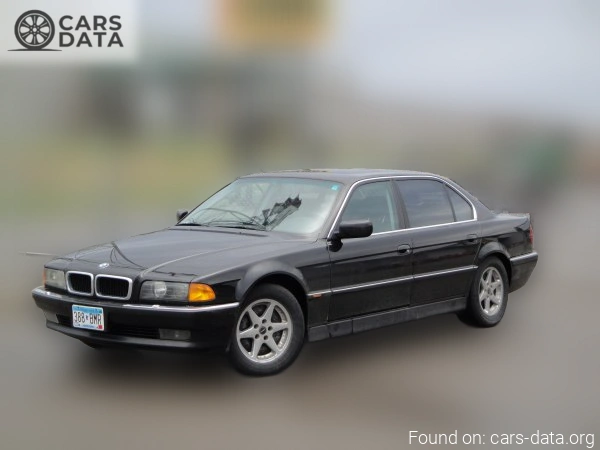
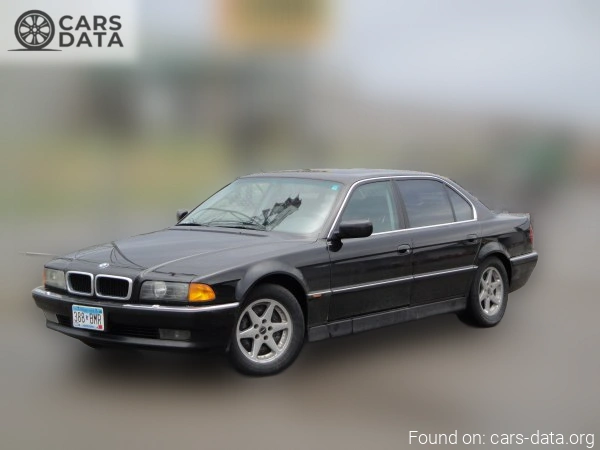
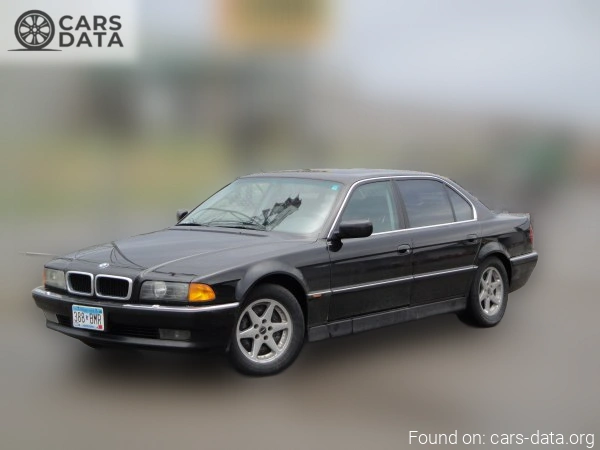
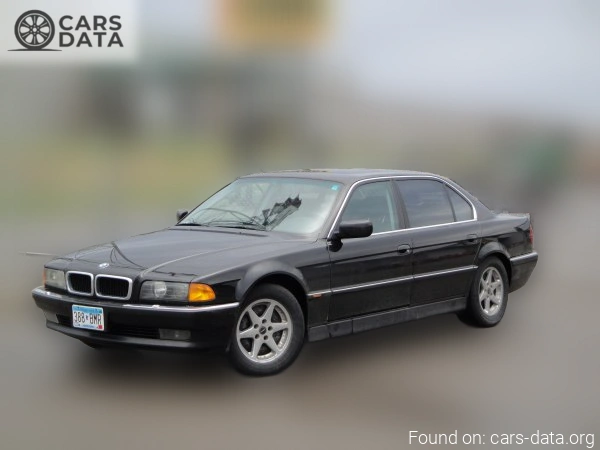
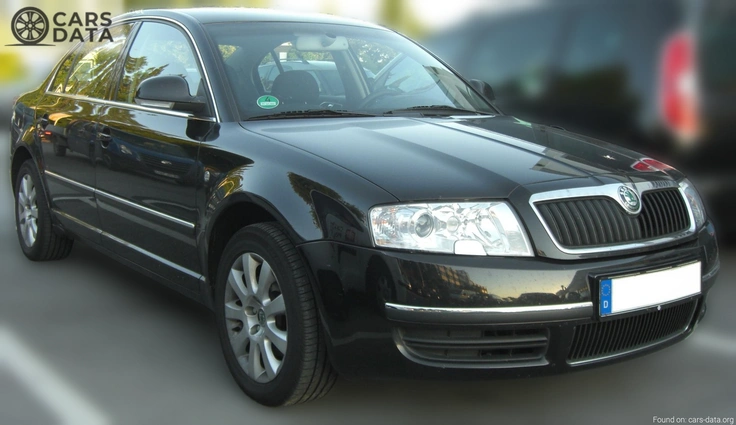
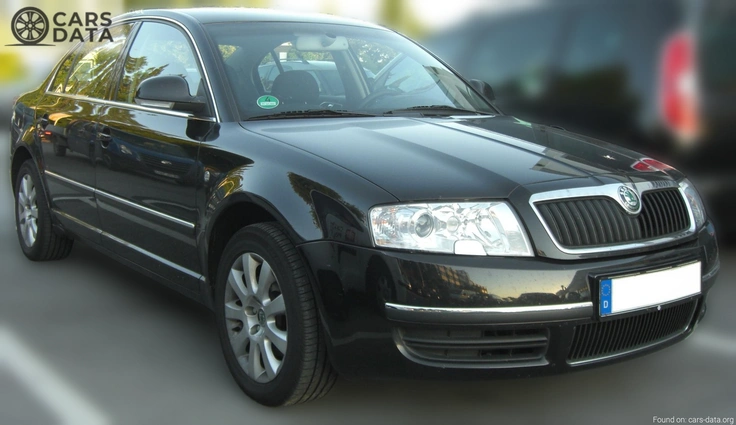
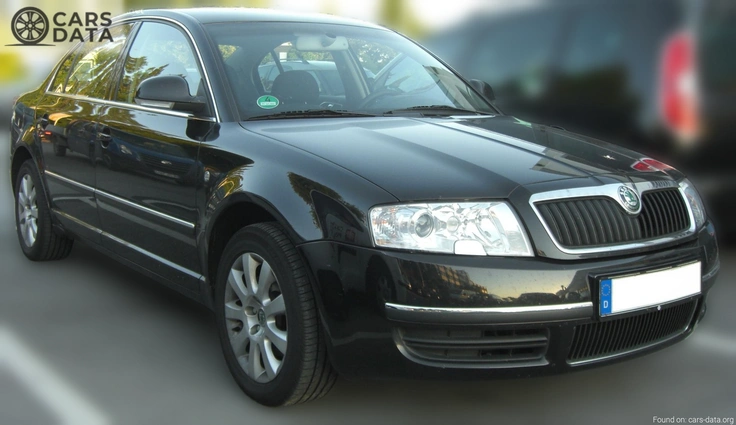
The BMW 7 Series boasts impressive performance, accelerating from 0 to 100 km/h (0-62 mph) in a swift 7 seconds and reaching a top speed of 250 km/h (155.34 mph). Its aerodynamic design is evident in its low drag coefficient of 0.30, suggesting good fuel efficiency and stability at high speeds. This luxury sedan offers a blend of performance and efficiency.
Specs
-
Rating
Acceleration 0 100 Kmh
7 sec
Acceleration 0 62 Mph
7 sec
Max Speed
250 km/h 155.34 mph
Drag Coefficient Cd
0.30
Body & Dimensions
The BMW 7 Series is a full-size luxury sedan offering a spacious and comfortable ride. Its dimensions (4984mm L x 1862mm W x 1435mm H) and substantial wheelbase (2930mm) suggest a roomy interior with ample legroom. The relatively tight turning circle (11.6m) makes it surprisingly maneuverable for its size. This model prioritizes luxury and comfort, making it ideal for long journeys and those seeking a premium driving experience.
Specs
-
Rating
Body Type
Sedan
Seats
5
Doors
4
Length
4984 mm 196.22 in.
Width
1862 mm 73.31 in.
Height
1435 mm 56.5 in.
Wheelbase
2930 mm 115.35 in.
Front Track
1552 mm 61.1 in.
Rear Track
1568 mm 61.73 in.
Min Turning Circle
11.6 m 38.06 ft.
Fuel Consumption
The BMW 7 Series, a petrol-powered luxury sedan, exhibits moderate fuel consumption. Urban fuel consumption is relatively high at 19.5 liters per 100 kilometers, while extra-urban and combined figures are more reasonable. This suggests a balance between performance and efficiency, likely prioritizing comfort and features over strict fuel economy.
Specs
-
Rating
Fuel Type
Petrol (Gasoline)
Fuel Consumption Urban
19.5 l/100 km 12.06 US mpg 14.49 UK mpg 5.13 km/l
Fuel Consumption Extra Urban
9.3 l/100 km 25.29 US mpg 30.37 UK mpg 10.75 km/l
Fuel Consumption Combined
13 l/100 km 18.09 US mpg 21.73 UK mpg 7.69 km/l
Engine & Transmission
This BMW 7 Series boasts a naturally aspirated 4.4L V8 engine (M62B44) producing 286hp and 420Nm of torque, delivering power to the rear wheels via a 5-speed automatic transmission. Its robust build includes a wishbone front and inclined lever rear suspension. While offering decent power for its time, fuel efficiency might be a concern given the engine's displacement and lack of modern fuel-saving technologies.
Specs
-
Rating
Powertrain Architecture
Internal Combustion engine
Power
286 Hp @ 5700 rpm.
Power Per Litre
65 Hp/l
Torque
420 Nm @ 3900 rpm. 309.78 lb.-ft. @ 3900 rpm.
Engine Layout
Front, Longitudinal
Engine Model Code
M62B44
Engine Displacement
4398 cm3 268.38 cu. in.
Number Of Cylinders
8
Engine Configuration
V-engine
Cylinder Bore
92 mm 3.62 in.
Piston Stroke
82.7 mm 3.26 in.
Compression Ratio
10:1
Number Of Valves Per Cylinder
4
Fuel Injection System
Multi-port manifold injection
Engine Aspiration
Naturally aspirated engine
Engine Oil Capacity
7.5 l 7.93 US qt | 6.6 UK qt
Engine Oil Specification
5W-40 / BMW Longlife-01
Coolant
12.5 l 13.21 US qt | 11 UK qt
Drivetrain Architecture
The Internal combustion engine (ICE) drives the rear wheels of the vehicle.
Drive Wheel
Rear wheel drive
Number Of Gears And Type Of Gearbox
5 gears, automatic transmission Steptronic
Front Suspension
Wishbone
Rear Suspension
Inclined Lever
Brakes
The 7 Series boasts a standard feature set, including ventilated disc front brakes, disc rear brakes, hydraulic power steering, 235/60 R16 tires, ABS, rack and pinion steering, and 16-inch rims. This suggests a comfortable and relatively affordable luxury sedan, suitable for everyday driving. The specification doesn't provide enough detail to assess performance or handling characteristics.
Specs
-
Rating
Front Brakes
Ventilated discs
Rear Brakes
Disc
Assisting Systems
ABS (Anti-lock braking system)
Steering Type
Steering rack and pinion
Power Steering
Hydraulic Steering
Tires Size
235/60 R16
Wheel Rims Size
16
Weight & Capacity
The 7 Series boasts impressive power and torque figures, reflected in its low weight-to-power and weight-to-torque ratios of 6.4 kg/Hp and 4.4 kg/Nm respectively. With a kerb weight of 1830kg and a substantial maximum load capacity of 535kg, it offers a generous fuel tank (85 liters) and a sizable minimum trunk space of 500 liters. The high maximum weight suggests a robust build capable of handling significant loads.
Very spacious. Its large dimensions and long wheelbase provide ample room for passengers in both the front and rear.
Surprisingly so. Despite its size, the relatively small turning circle makes navigating urban environments manageable.
It's a full-size, four-door luxury sedan designed for comfort and a premium driving experience.
The 7 Series accelerates from 0 to 100 km/h (0-62 mph) in 7 seconds.
The top speed is 250 km/h (155.34 mph).
The drag coefficient is 0.30.
The urban fuel consumption is 19.5 liters per 100 kilometers.
The extra-urban fuel consumption is significantly lower, at 9.3 liters per 100 kilometers.
The combined fuel consumption is 13 liters per 100 kilometers.
It features a naturally aspirated 4.4L V8 engine (M62B44).
It produces 286hp and 420Nm of torque.
It has a 5-speed automatic Steptronic transmission.
The car has ventilated disc brakes at the front and disc brakes at the rear, along with ABS (Anti-lock Braking System).
The car has hydraulic power steering with a rack and pinion steering mechanism.
The car has 235/60 R16 tires.
Engine options vary by model year and region, but typically include a range of powerful inline-6 and V8 engines, possibly including hybrid or plug-in hybrid variants.
Expect high-quality materials, spacious seating for up to five passengers, advanced infotainment systems, and a range of comfort and convenience features like massaging seats and climate control.
Fuel economy depends heavily on the specific engine and driving style. Generally, expect lower fuel economy compared to smaller, less powerful vehicles, but figures can vary significantly.
Fuel efficiency isn't specified in the data, but the large fuel tank suggests potential for longer range between fill-ups.
Towing capacity isn't provided. Consult the owner's manual for specific towing information.
Kerb weight is the weight of the car without passengers or cargo. Max weight includes the car, passengers, cargo, and fluids.